 Texas Roadhouse
Best Steaks at Texas Roadhouse: How to Choose Your Cut
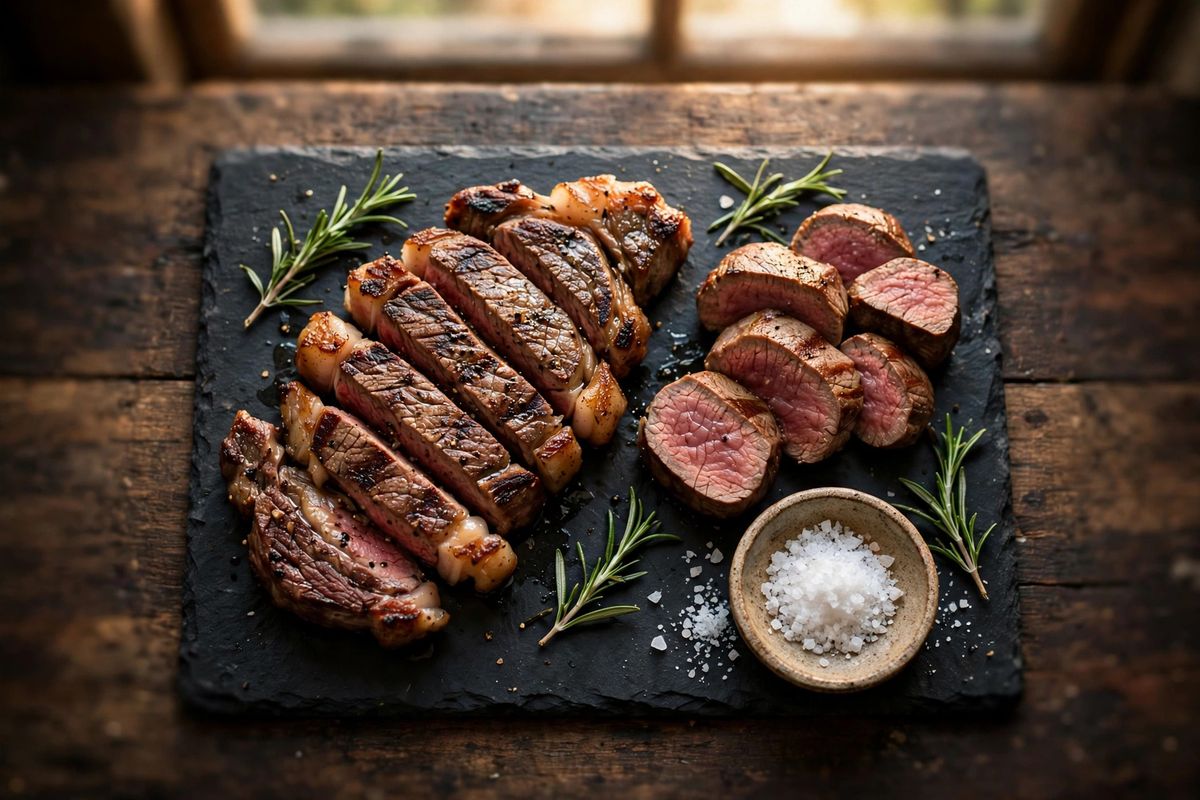
Texas Roadhouse is known first and foremost for steak, and the menu gives you more choice than many other casual steakhouse chains. That choice is helpful, but it can also make ordering harder if you are not sure what each cut offers. The main differences are flavor, tenderness, fat, size, and price. Once you understand those, picking a steak becomes much easier.
A good starting point is to think about what matters most to you. If you want rich flavor, look for a cut with more marbling, which is the thin streaks of fat inside the meat. If you want a very tender bite, look for a smaller, leaner cut. If you want a large portion at a lower price, a sirloin is often the best fit. There is no single best steak for everyone, only the best steak for the meal you want that day.
Sirloin: The Everyday Favorite
Sirloin is the most affordable steak on most Texas Roadhouse menus and a solid choice for a regular visit. It is leaner than ribeye, with a firm texture and a clean, beefy flavor. It does not have the same buttery richness as a fattier cut, but it is satisfying, especially when it is cooked correctly and served with a good side.
Sirloin works well if you are hungry but do not want a very heavy meal. It also works well if you are ordering for a family, because you can get a full steak dinner without spending as much as you would on a ribeye or filet. Ask for it medium-rare or medium if you want it juicy. A sirloin cooked well-done can become dry, so it is better to keep the center a little pink if you are comfortable with that.
Ribeye: Rich, Juicy, and Flavorful
Ribeye is the choice for people who love bold steak flavor. It has more fat and marbling than sirloin, and that fat melts during cooking. The result is a juicy steak with a rich taste and a slightly crisp edge when it is seared well.
Because ribeye is fattier, it can feel heavier than other cuts. That is part of its appeal for many guests, but it may not be the best pick if you prefer lean meat. A bone-in ribeye, when available, can be even more flavorful and makes a good choice for sharing or for a special occasion. If you order ribeye, medium-rare or medium usually gives the best balance of flavor and texture. The fat has time to soften without the steak drying out.
Filet: The Most Tender Cut
Filet, also called tenderloin, is the most tender steak on the menu. It is lean, soft, and easy to cut. It does not have as much fat as ribeye, so its flavor is milder and more delicate. Many people who like a soft, clean bite prefer filet, even though it is usually smaller and more expensive per ounce than sirloin.
Filet is a good choice if you do not like chewing through fat or gristle. It is also a good choice for a lighter steak dinner. Because it is lean, it can dry out if it is overcooked, so medium-rare or medium is often best. If you want extra flavor, you can add mushrooms, onions, or a topping, but the plain filet is pleasant on its own.
New York Strip: A Balanced Middle Ground
New York strip sits between sirloin and ribeye. It has more flavor than sirloin, thanks to a strip of fat along one edge, but it is firmer and less fatty through the middle than ribeye. It has a good chew and a strong beef flavor.
This cut is a good pick if you want something hearty without going all the way to a ribeye. It holds up well at medium and medium-rare. It is also a common choice for people who eat steak often and want a reliable, familiar cut. If you are torn between flavor and leanness, the strip is a safe middle option.
Prime Rib: Slow-Roasted and Hearty
Prime rib is different from the other steaks because it is slow-roasted rather than grilled to order in the same way. It is tender, juicy, and rich, with a soft texture and a deep beef flavor. It is often served in larger portions, so it is best when you are very hungry or sharing.
Prime rib is usually ordered by doneness too, but because it is roasted, the kitchen may have a limited amount at each level of doneness, especially late in the evening. If you want prime rib, it helps to go earlier. Medium-rare is the classic choice, but medium works well if you prefer less pink.
How to Choose Doneness
Doneness is about the inside temperature and color of the steak. Rare is cool and red in the center. Medium-rare is warm, red, and juicy. Medium is pink in the center. Medium-well is mostly brown with a little pink. Well-done is cooked through with no pink.
For most cuts, medium-rare and medium give the best flavor and moisture. Lean cuts like sirloin and filet dry out faster when cooked well-done. Fattier cuts like ribeye can handle a little more cooking, but they also lose some juiciness. If you are unsure, medium is a good place to start. You can always adjust next time.
What to Order With It
A steak dinner at Texas Roadhouse usually comes with two sides, and the sides matter. A baked potato or mashed potatoes work well with any steak. Seasoned rice is a lighter option. Green beans, corn, or a house salad can balance a rich cut like ribeye or prime rib. The warm rolls with honey cinnamon butter arrive before the meal and are part of the experience, so save room if you can.
If you want the best value, look at the full dinner rather than just the steak. A smaller cut with two filling sides can be more satisfying than a larger steak on its own. And if you are still hungry, the rolls are a simple way to round out the meal without ordering more food.
In the end, the best steak is the one that fits your taste, your appetite, and your budget that day. Sirloin is the practical pick, ribeye is the flavorful pick, filet is the tender pick, New York strip is the balanced pick, and prime rib is the hearty, slow-roasted pick. Pick your cut, choose medium-rare or medium if you want it juicy, add two sides you like, and you will have a solid Texas Roadhouse steak dinner.
Ordering Steak for a Group or Family
Ordering for a group works best when you match each person to a cut instead of ordering the same steak for everyone. Sirloin is usually the easiest choice for a group on a budget. It is the most affordable steak cut, it is lean, and it comes as a full dinner with two sides. If several people order sirloin, the total bill stays lower than it would if everyone ordered ribeye or filet, and the free rolls with honey cinnamon butter help fill the table. Ribeye and prime rib suit the hungriest people at the table, or a special occasion. Both are rich and filling, so they work well for one person who wants a big meal rather than as the default for everyone. A bone-in ribeye, when available, can work for sharing, but whether sharing is allowed at a given location is not verified, so ask your server first. Prime rib is slow-roasted, and the kitchen may have a limited amount at each level of doneness, especially late in the evening, so a group that wants prime rib should go earlier. Filet is a good pick for someone who prefers a tender, lean steak and does not want a large portion.
Common Steak Mistakes to Avoid
The most common mistake is ordering well-done by habit when you would enjoy medium or medium-rare more. Lean cuts such as sirloin and filet dry out faster when cooked through, and even ribeye loses juiciness when cooked too long. If you are unsure, medium is a safe starting point, and you can adjust next time. A second mistake is choosing a cut for its name instead of its texture. Ribeye sounds rich, but if you do not like fat, you may enjoy filet or sirloin more. Filet sounds delicate, but if you want bold beef flavor, you may find it mild. New York strip is a better fit when you want a firm chew and strong beef flavor without the heavier fat of a ribeye. A third mistake is filling up on rolls before the steak arrives. The warm rolls with honey cinnamon butter are part of the experience, and they are easy to keep eating while you wait. Enjoy one roll, save room for the steak and its two sides, and have another later if you are still hungry. A fourth mistake is ignoring the sides, which change how filling the meal feels.
How Doneness Affects Each Cut
Doneness does not affect every cut in the same way, because each cut has a different amount of fat and thickness. Rare is cool and red in the center. Medium-rare is warm, red, and juicy. Medium is pink in the center. Medium-well is mostly brown with a little pink. Well-done is cooked through with no pink. Sirloin is lean, so doneness matters a lot. At medium-rare or medium, sirloin stays juicy and has a clean, beefy flavor. At medium-well or well-done, it can become dry and firm. If you prefer your steak cooked through, sirloin is not the most forgiving choice, and a fattier cut will usually hold up better. Ribeye handles heat better than sirloin because its fat melts as it cooks. At medium-rare, the fat softens and the steak stays rich and juicy. At medium, it is still flavorful, with a slightly firmer bite. At medium-well, it loses some juiciness but keeps more flavor than a lean cut would. At well-done, even a ribeye can dry out. Filet is the most tender cut, but it is also lean, so it dries out quickly when overcooked. At medium-rare or medium, filet is soft, moist, and easy to cut. New York strip, at medium-rare, has a good chew and strong beef flavor, while prime rib is best at medium-rare for a soft, juicy slice.
Pairing Sides and Drinks With Each Cut
A good pairing is simple: match a rich steak with a lighter side, and match a lean steak with a filling side. With ribeye, choose a lighter side to balance the fat. Green beans, corn, or a house salad work well, and a baked potato can still work if you keep the second side light. With prime rib, the same idea applies. A salad or green beans can balance the rich, slow-roasted meat, while mashed potatoes or a baked potato make the meal more filling if you are very hungry. With sirloin, you have more freedom, because the steak itself is lean. A baked potato or mashed potatoes makes the meal filling, and seasoned rice is a lighter option that still feels complete. Green beans or a house salad add freshness without heaviness. If you want a lighter dinner, pick one hearty side and one vegetable or salad. With filet, a simple pairing works best. The steak is mild and tender, so mashed potatoes, seasoned rice, or green beans all work well, and a baked potato is also a good choice for a classic steakhouse plate.
Frequently Asked Questions
What is the best steak for a first visit? There is no single best steak for everyone. Sirloin is a practical first choice because it is the most affordable cut and has a clean, beefy flavor. New York strip is a good first choice if you want more flavor than sirloin without the heavier fat of ribeye. Ribeye is best if you want rich flavor, and filet is best if you want the most tender bite. What doneness should I order if I am unsure? Medium is a good place to start. It is pink in the center, juicy enough for most cuts, and less risky than rare or well-done if you have not tried a cut before. For most cuts, medium-rare and medium give the best flavor and moisture. Which steak is best for a smaller appetite? Filet is a good choice because it is usually smaller and leaner, with a soft bite. A smaller sirloin with two sides can also work, because the sides and the free rolls help make the meal filling without a large steak. Which steak is best for a very hungry guest? Prime rib and ribeye are the heartiest choices. Prime rib is slow-roasted and often served in larger portions, while ribeye is rich and juicy. Can I get a good steak dinner for less during Early Dine? Yes, if you can eat early. Early Dine runs Monday to Thursday from 3 to 6 PM and offers 11 full-size entrees with two sides for 10.99 dollars to 13.99 dollars, including the 6 oz sirloin.